Raw Materiality

My current book project, Raw Materiality: Making Sugarcane into Sustainable Futures, focuses on the production of sugarcane-based biofuels and bioplastics in Brazil. 

What would fuels, plastic, synthetic fabric, and even toothpaste be made of if we stopped using petrochemicals? Some scientists in Brazil have an answer: sugarcane.
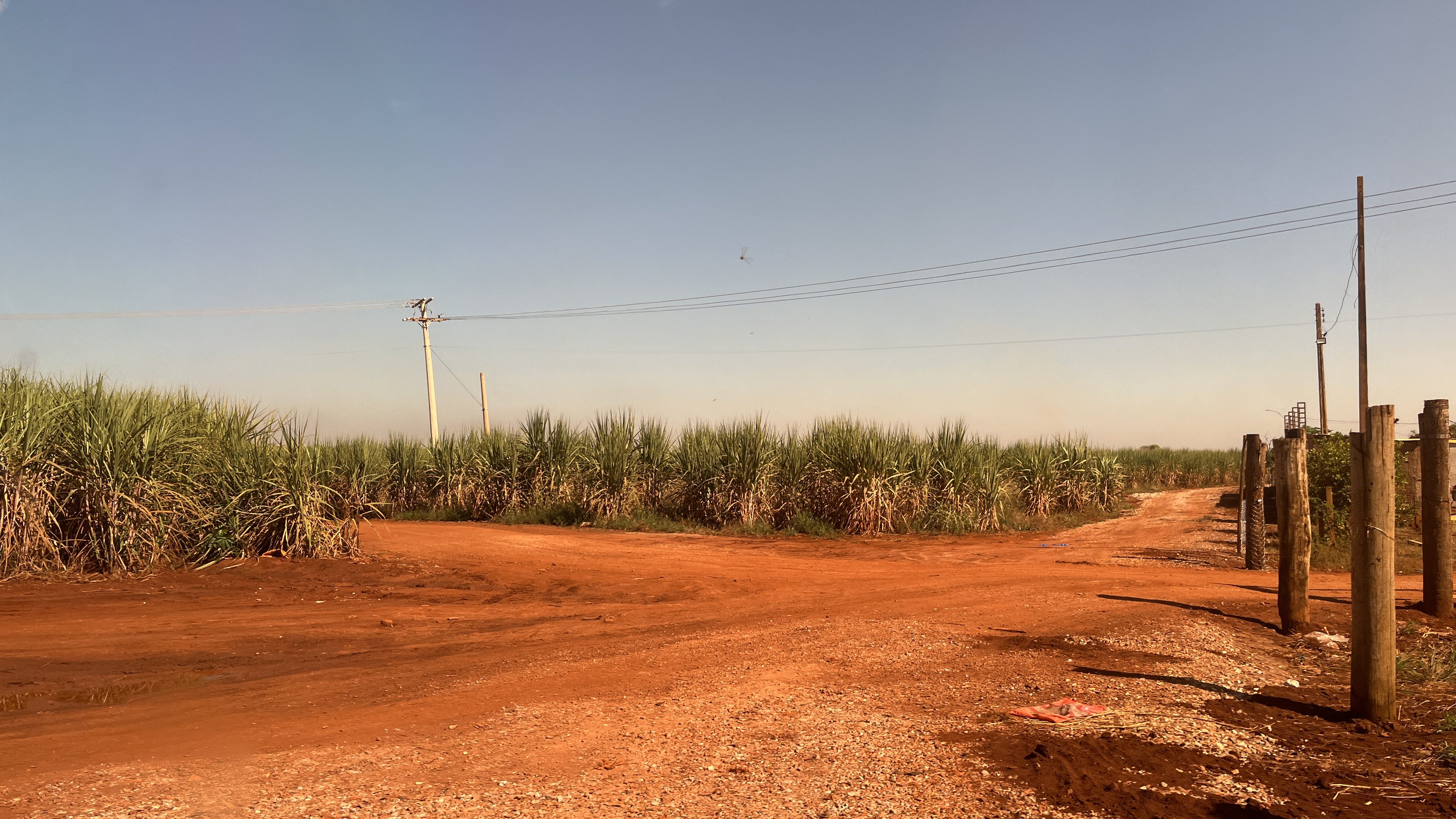
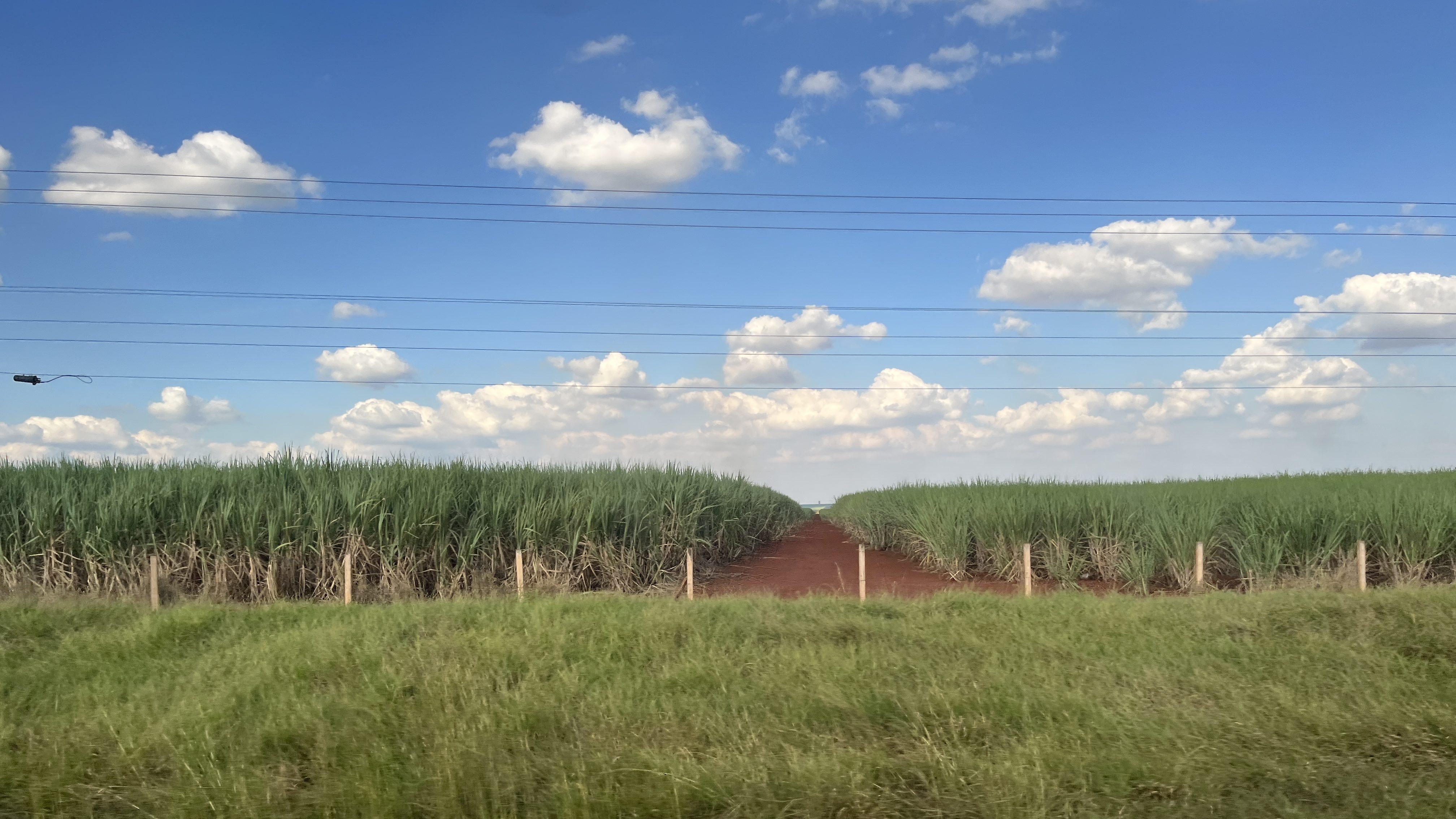
Sugarcane grows in the field around an intersection of red dirt roads.
Brazil has grown sugarcane since the early 1500s and remains the world’s largest producer of both sugarcane and refined sugar.
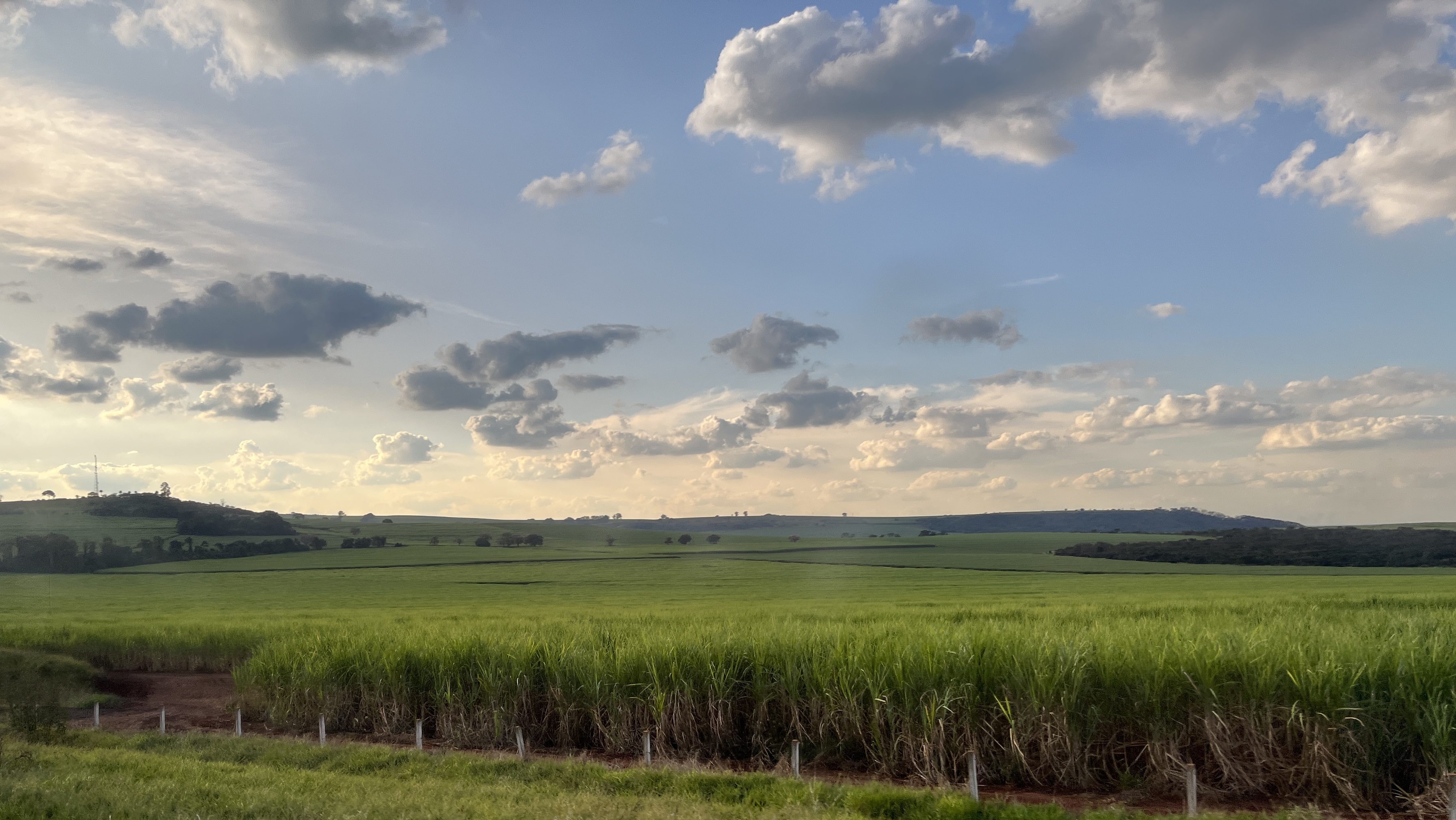
Green sugarcane fields extend to the horizon under a slightly cloudy blue sky.

Amid fossil-fuel-driven climate change and intensifying consumption from development, finding sustainable replacements for petroleum-based fuels has been a pressing concern for decades. Recent scientific advances have offered plant-based products as a solution. These could replace the wide variety of petrochemicals used daily, from fuel to plastic to synthetic fabrics.
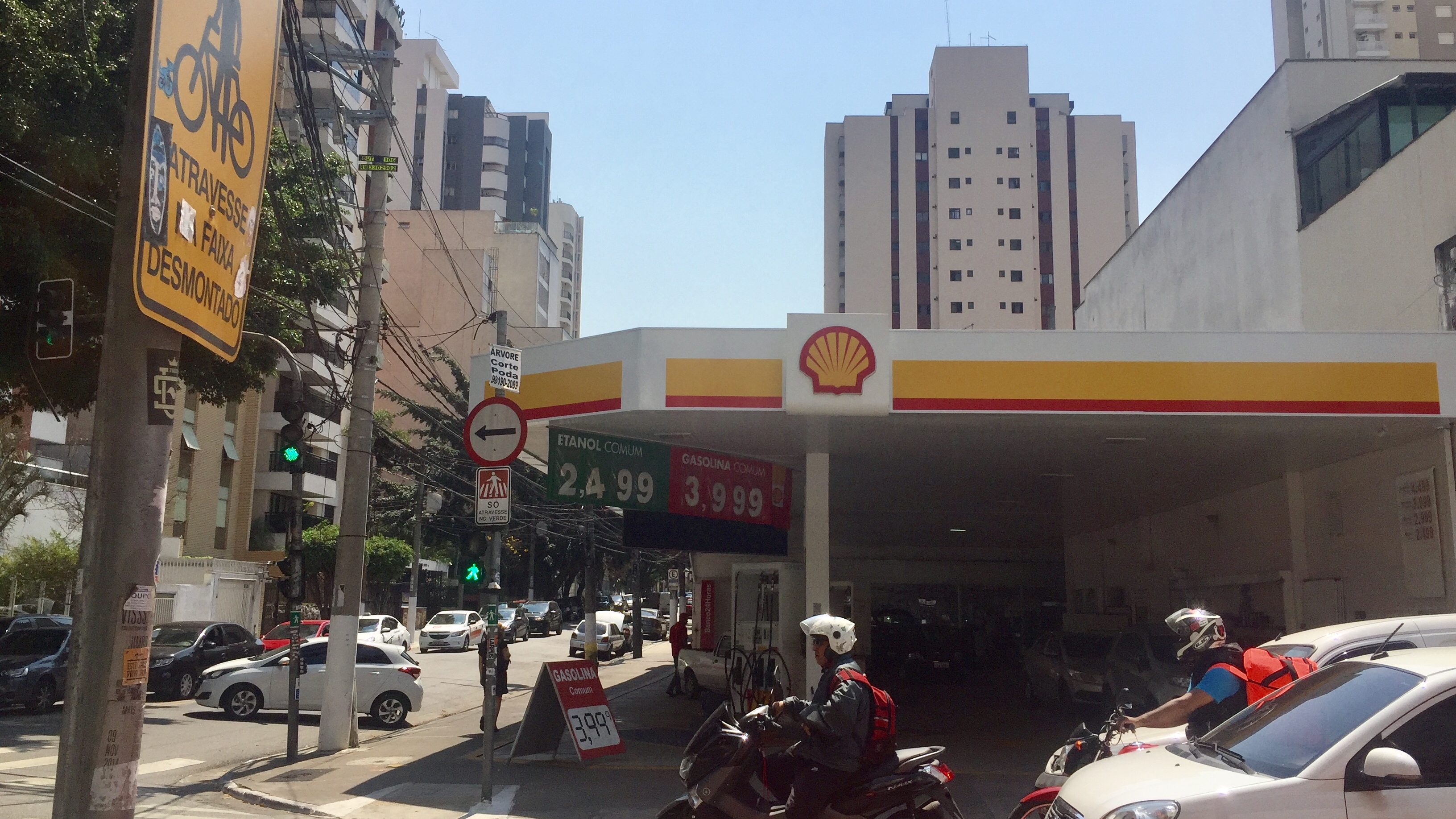
A Shell fuel station at a busy city intersection. Cars and motorcycles idle in front of it while waiting for the traffic light. Under the awning of the fuel station hangs two prices, one in green (2.499) and one in red (3.999).
Fuel station in São Paulo showing the prices of both gas (red sign) and ethanol (sugarcane-based biofuels, green sign).

However, given histories of plantation-based colonialism, scientists in places like Brazil contend that such plant-based solutions to climate change will not be one-size-fits-all.
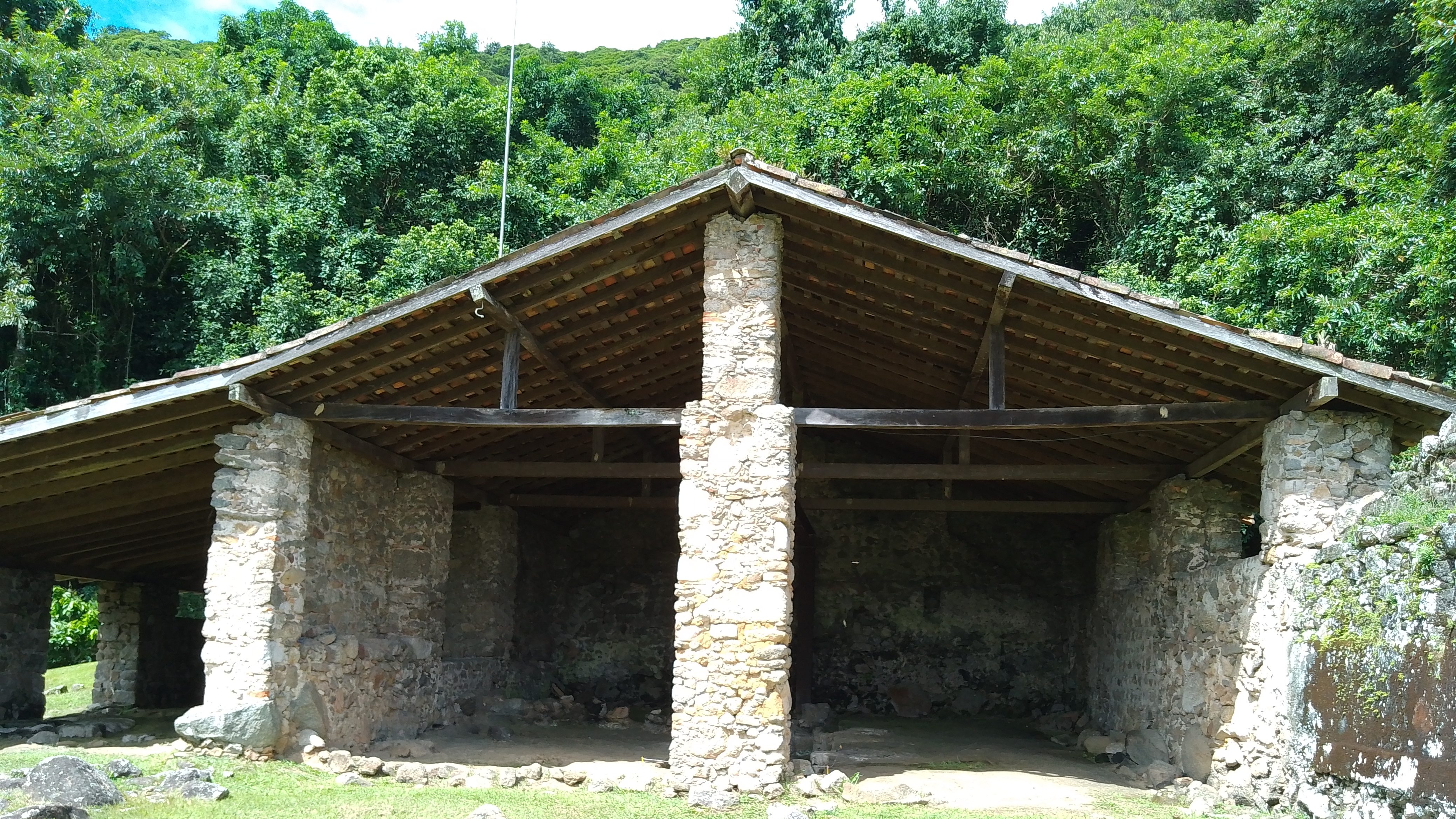
The ruins of an old stone structure stand in front of a dense tropical forest.
Ruins of a sixteenth-century sugarcane mill in São Paulo.
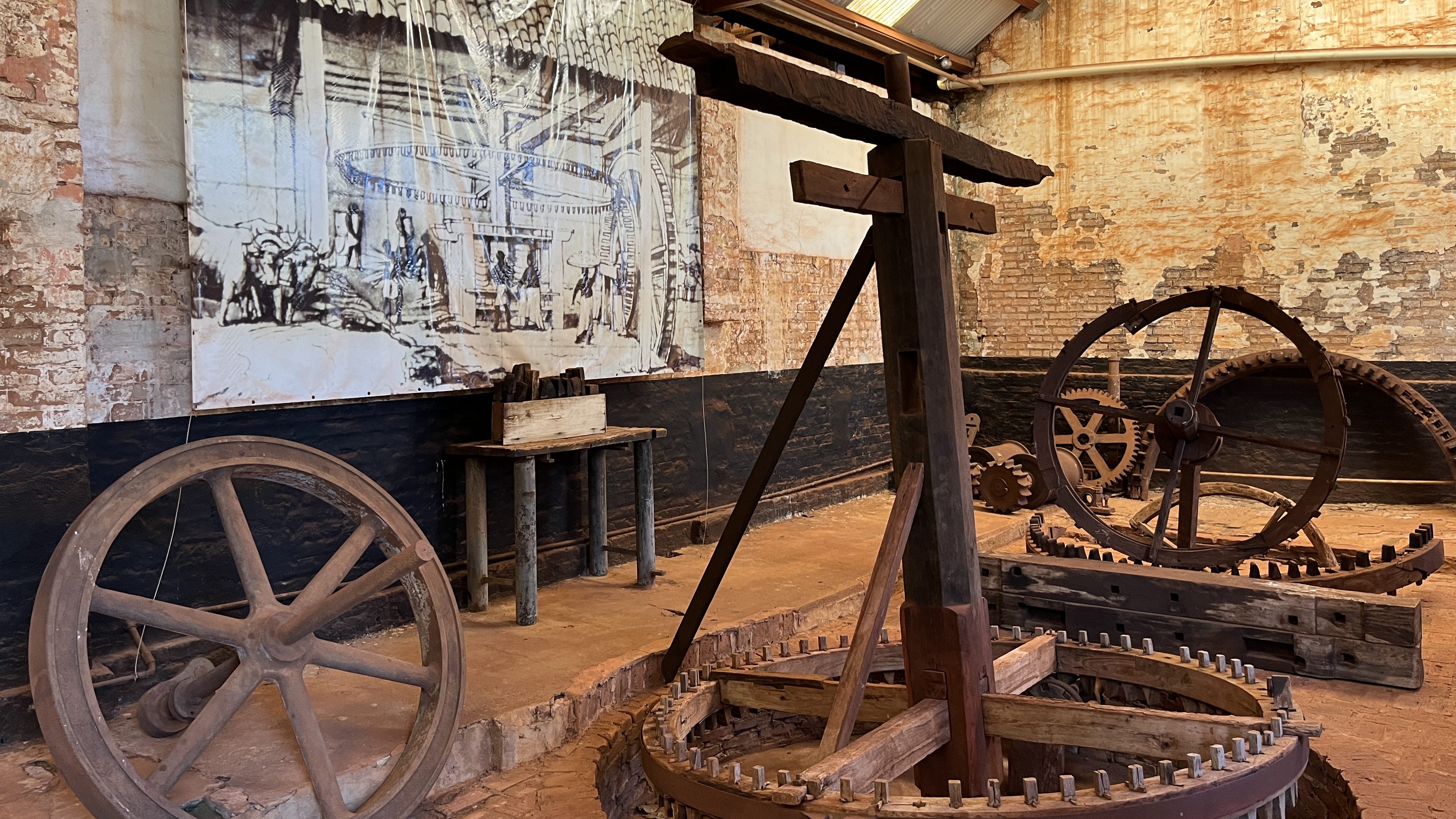
Rusted metal equipment, including wheel-like structures with gears, sits inside a brick room. On the wall is a large illustration of enslaved people of color using this equipment, alongside oxen, in an old sugar mill.
Colonial-era sugarcane mill equipment, used to transform cane into refined sugar through the labor of millions of slaves as well as animals over several centuries in Brazil, on display at a museum.

My research studies how scientists make bioproducts from sugarcane in Brazil in the present day. If between the 16th and 20th centuries Brazilian sugarcane was located at the nexus of plantation and factory, in the 21st century it is located at the nexus of industrial-agricultural field, flexible factory, and biotech laboratory. Building on the extensive Brazilian scholarship on contemporary sugarcane labor, my research looks at a different, increasingly important site of sugarcane production: the production of knowledge in the lab. I ask how scientists transform this crop with a long, violent history into biofuels, bioplastics, and beyond.
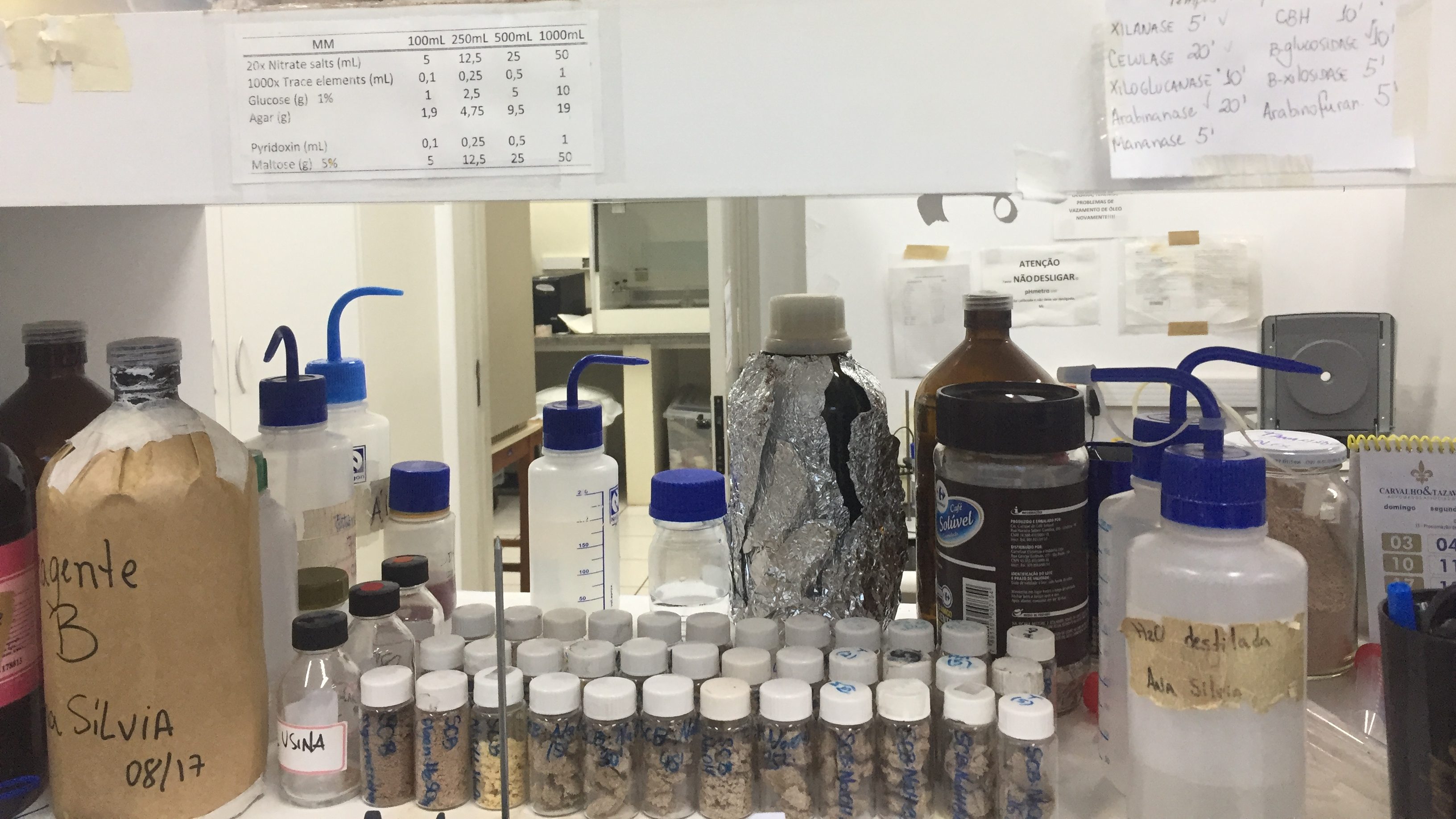
Plastic tubes and bottles of various sizes are lined up on a scientific lab bench. Some are filled with liquids, others are filled with brown chunks of cardboard-like biomass. Pieces of paper with recipes and other information are taped to the shelving.
Sugarcane and other biomass samples in the lab, used to study the production of various plant-based bioproducts—from biofuels to bioplastics to sugar-based pharmaceuticals.
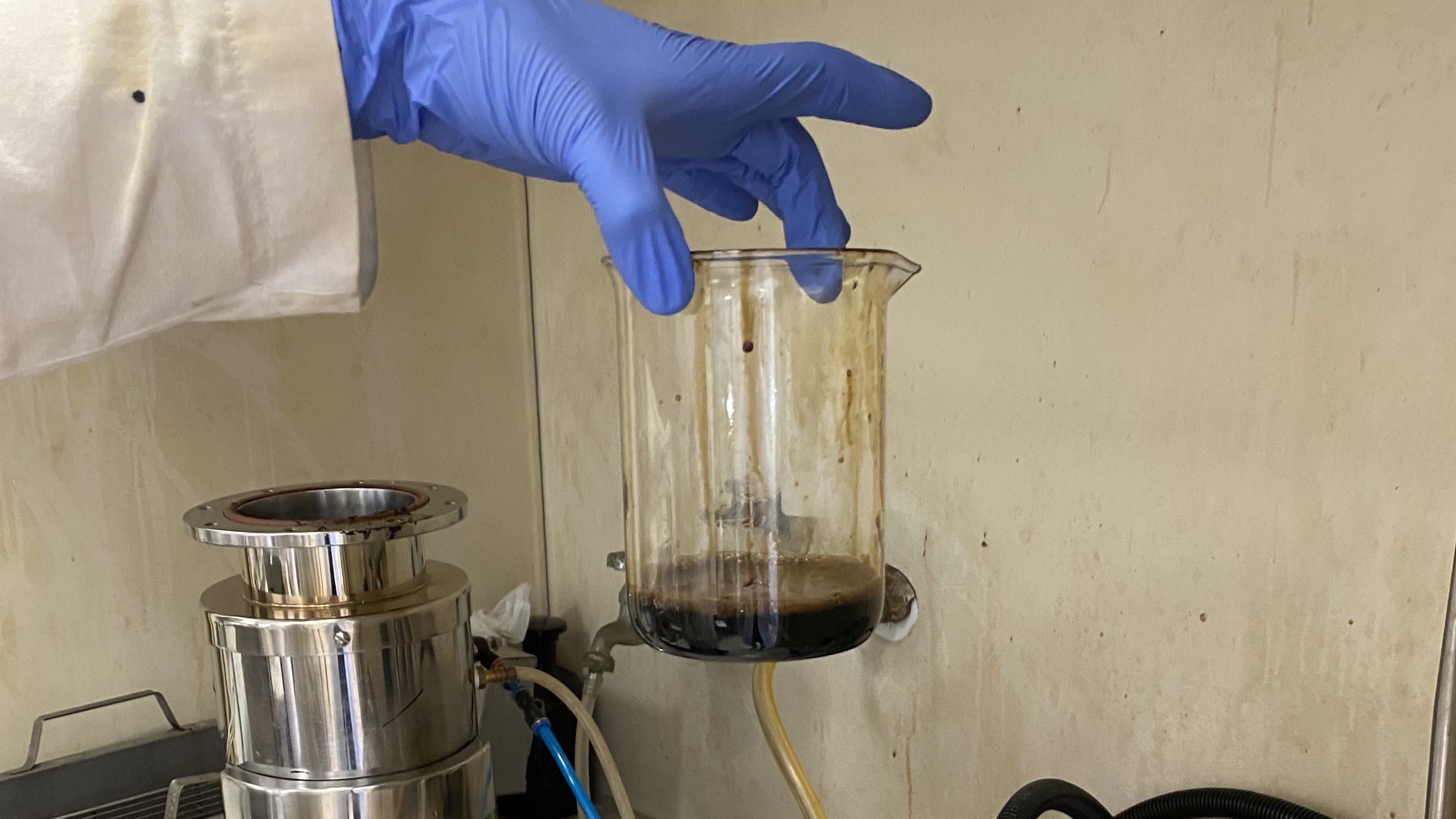
A hand wearing a blue nitrile glove holds a glass beaker from the top. At the bottom of the beaker is an inch or so of dark brown, slightly frothy liquid. In the background is the stained metal walls of a chemical hood. The top of a metal canister peaks into the frame on the lower left.
Breaking down sugarcane into sugars and chemicals that can be used to make bioproducts.

Drawing on ethnographic methods—including participant observation and interviews—and a methodological technique I call a sugar library, my research spells out how technical practices of transforming molecules in the lab shape broader social ideas of transforming society.

This research has been supported by a NSF Dissertation Improvement Grant (BCS-1918156) and the NSF Graduate Research Fellowship (1842494).
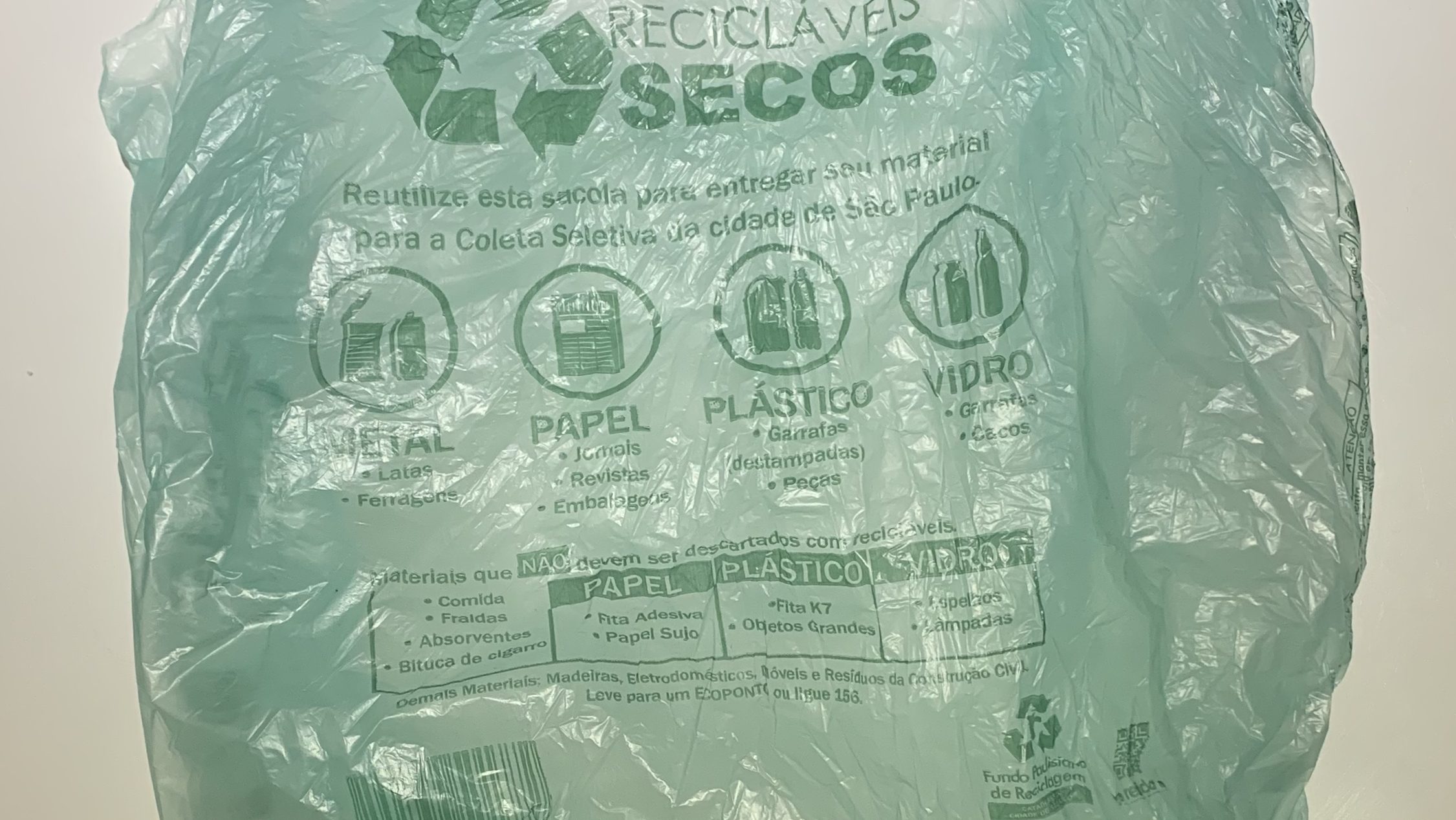
A green plastic grocery bag. It has various text related to recycling procedures.
Plastic bag made from sugarcane in Brazil. Even though it is plant-based, it is not biodegradable because it is an exact chemical replica of petroleum-based plastic. What are the differences we care about—the differences that make a difference—when it comes to plant-based renewables?
A red-dirt lane in between tall green sugarcane fields extends straight back to the horizon, under a blue sky with a few fluffy clouds.

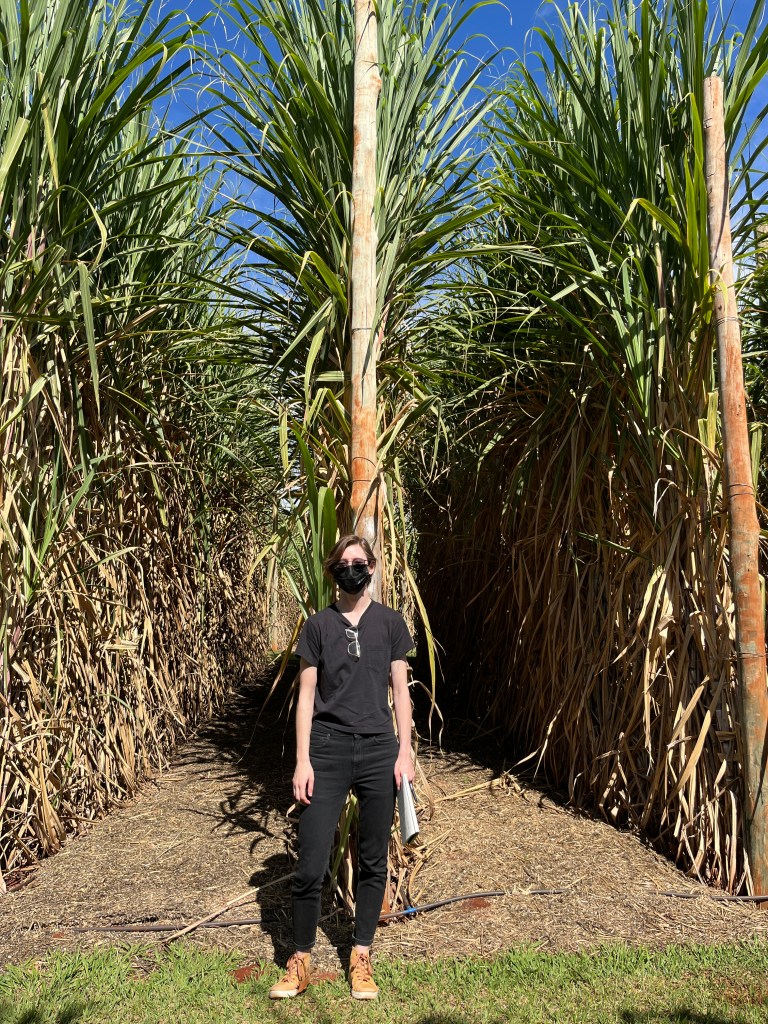
A person wearing black pants, a black t-shirt, and sunglasses stands in the sun in front of rows of sugarcane that extends up more than twice the person's height. The green, thin, blade-like sugarcane leaves at the top spill up and out. Closer to the base, the leaves are brown and withered.

All photographs on this page by Katie Ulrich, with the exception of the last one, taken by a sugarcane genetics researcher.